Inside Japan’s Gay Bear Community: Culture, Identity, and Visibility
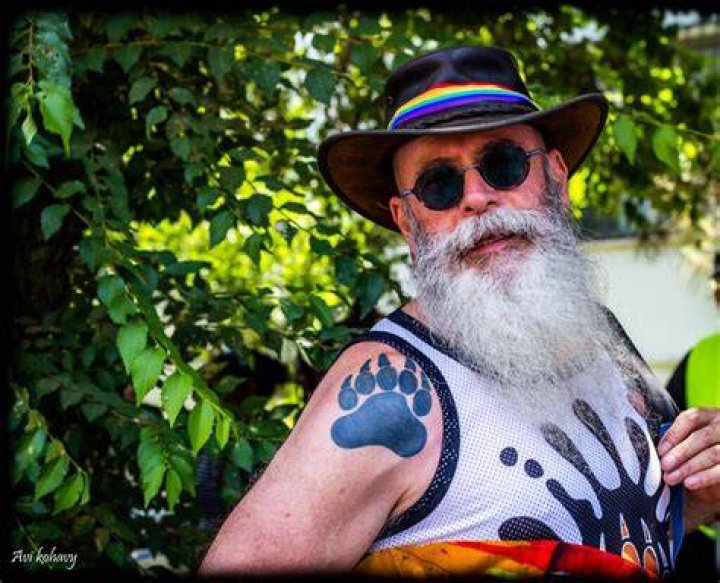
In the sprawling, neon-lit landscape of Tokyo’s Shinjuku Ni-chome, a quiet revolution is taking place. It’s not loud. It doesn’t demand attention. But for a specific subset of the LGBTQ+ community, it represents a profound shift in how identity is expressed and embraced. We’re talking about the gay Japanese bear — a subculture that has, for decades, existed in the shadows of Japan’s more mainstream gay scene.
To the uninitiated, the term “bear” might conjure images of burly, hairy men in Western leather bars. But in Japan, the archetype has taken on a distinct flavor. It’s a world where body positivity meets traditional aesthetics, where rugged masculinity is redefined, and where a quiet but determined community is carving out its own space. This is not a story about stereotypes. It’s a story about people.
What Exactly is a “Gay Japanese Bear”?
Let’s start with the basics. In the global gay lexicon, a “bear” typically refers to a larger, hairier man who projects a sense of rugged, often hyper-masculine energy. Think beards, broad chests, and a rejection of the slender, smooth ideal that dominates much of gay media. The gay Japanese bear shares some of these traits, but the cultural context changes everything.
In Japan, where body hair is often viewed with ambivalence and where slim, youthful looks are heavily prized in both mainstream and gay culture, the bear stands as a deliberate counterpoint. These men are not just larger; they are often older, more settled, and they embrace a kind of “dad bod” aesthetic that is both comforting and defiant. It’s a subculture that says: you don’t have to be a twink to be desirable.
But it’s more than just a look. The community is built on a foundation of camaraderie, food, and a shared sense of being outside the norm. Many bear gatherings in Japan revolve around shared meals — yakiniku (grilled meat) and beer are staples. It’s a social scene that prioritizes comfort and connection over the high-pressure, club-centric vibe of other gay spaces.
The Historical Roots: From “Gachimuchi” to Community
To understand the gay Japanese bear, you have to look back at the 1990s. This was the era when the term “gachimuchi” (ガチムチ) entered the vernacular. Originally a wrestling term meaning “solid and muscular,” it was adopted by the gay community to describe a specific body type — stocky, muscular, often hairy. It was a niche term, but it gave a name to a growing desire.
Magazines like “G-men” and “Badi” began featuring more bearish models, moving away from the androgynous, boyish figures that had dominated earlier gay publications. These magazines weren’t just eye candy; they were lifelines. For many men in rural Japan, they were the only window into a world where their body type was celebrated, not hidden.
The internet accelerated everything. Early forums and websites allowed gay Japanese bear enthusiasts to connect in ways that were impossible before. They shared photos, organized meetups, and slowly built a network that transcended geography. Today, apps like Grindr and Jack’d have bear-specific filters, but the real heart of the community beats in private LINE groups and dedicated bars.
Where to Find the Scene: Bars, Events, and Spaces
If you want to see the gay Japanese bear community in its natural habitat, you need to know where to look. Tokyo’s Shinjuku Ni-chome is the obvious starting point, but the bear scene has its own specific landmarks.
One of the most famous is “Eagle Tokyo,” a bear bar that has been a staple for years. It’s a place where the music is loud, the drinks are strong, and the clientele is unapologetically bearish. But it’s not just about Tokyo. Osaka’s Doyama-cho district has its own bear-friendly spots, and cities like Nagoya and Fukuoka have smaller, but fiercely loyal, communities.
Events are another key pillar. The “Bear Festival” (often held in conjunction with Tokyo Rainbow Pride) draws hundreds of men who might otherwise feel invisible. There are also smaller, more intimate gatherings — “niku-kai” (meat parties) where the dress code is casual and the focus is on socializing, not hooking up. These events are crucial. They provide a space where a gay Japanese bear can simply exist without having to explain himself.
Body Image and the Struggle for Acceptance
It would be easy to romanticize the gay Japanese bear community as a utopia of body positivity. The reality is more complicated. While the community offers a refuge from the relentless pressure to be thin and smooth, it has its own hierarchies and biases.
There is, for example, a persistent preference for “muscle bears” over “cubs” (younger, softer bears) or “otters” (slimmer, hairier men). The ideal bear in Japan often has a specific look: a thick chest, a solid belly, and a full beard. Men who don’t fit this mold can still feel marginalized, even within the community.
Furthermore, the bear scene in Japan is still grappling with its relationship to the broader LGBTQ+ movement. Some older bears remember a time when being gay was heavily stigmatized, and they carry that trauma with them. Younger members, who grew up with more visibility, sometimes clash with the older generation over issues like coming out and public displays of affection. It’s a community in transition, caught between tradition and modernity.
Media Representation: The Slow Shift
For years, the gay Japanese bear was almost invisible in mainstream media. When larger gay men appeared on TV or in films, they were often played for laughs — the comic relief, the sidekick, never the romantic lead. That is slowly changing.
Manga and anime have been surprisingly ahead of the curve. Series like “Koisuru Boukun” (The Tyrant Falls in Love) and “Hitorijime My Hero” feature bearish characters in central roles, though they are often still filtered through a lens of fantasy. More recently, live-action dramas and independent films have begun to explore bear identities with more nuance. A 2023 documentary, “Kuma no Koe” (The Voice of the Bear), profiled several men in the community, giving them a platform to speak about their lives without judgment.
Social media has been the real game-changer. Instagram and Twitter are filled with gay Japanese bear influencers who post daily photos, share their fitness journeys, and talk openly about their desires. They are building a visual archive of what it means to be a bear in Japan, one post at a time. This visibility is powerful. It tells a young man in a small town that he is not alone.
The Intersection of Tradition and Modernity
One of the most fascinating aspects of the gay Japanese bear community is how it interacts with traditional Japanese concepts of masculinity. The “salaryman” archetype — the stoic, overworked company man — is still a powerful ideal in Japan. Many bears embody a softer, more approachable version of this. They are often in stable jobs, they value loyalty and friendship, and they have a deep appreciation for the simple pleasures of life.
There is also a strong connection to the concept of “omotenashi” (hospitality). Bear bars and events are known for their welcoming atmosphere. Newcomers are often greeted with genuine warmth, and there is an unspoken rule that everyone looks out for each other. This is not a scene driven by cutthroat competition. It’s a scene driven by a shared need for belonging.
But the community is not immune to the pressures of modern life. The rise of dating apps has changed how people meet, and some worry that the physical, face-to-face spaces that defined the bear scene for decades are fading. The COVID-19 pandemic was a brutal blow, forcing many bars to close permanently. The community is resilient, but it is also adapting.
Challenges Ahead: Aging, Health, and Isolation
Like many niche subcultures, the gay Japanese bear community faces a demographic challenge. The core of the community is aging. Many of the men who built the scene in the 1990s and 2000s are now in their 50s and 60s. They worry about who will take their place.
Health is another pressing concern. The bear community has a complicated relationship with body image. While it celebrates larger bodies, there is also a growing conversation about the health risks associated with obesity. Some groups have started organizing hiking trips and sports events, trying to promote a healthier lifestyle without shaming anyone for their size.
Isolation remains a silent crisis. For all the community’s warmth, many gay Japanese bear men live deeply closeted lives, especially those outside major cities. They may have families who do not know about their sexuality, and they may fear the social consequences of being open. The community provides a lifeline, but it cannot solve every problem.
Global Connections: The Bear Diaspora
The gay Japanese bear community is not an island. It is deeply connected to the global bear movement. International bear events, like the International Bear Brotherhood Flag celebrations, have Japanese contingents. Japanese bears travel to Berlin, San Francisco, and Sydney for bear runs, bringing back ideas and energy.
There is also a growing exchange of media. Western bear porn and erotica have a dedicated following in Japan, and Japanese bear content is increasingly finding an audience abroad. This cross-pollination is enriching both sides. Japanese bears are learning from the more overtly political, activist-oriented bear movements in the West, while Western bears are discovering the unique aesthetics and social codes of the Japanese scene.
Language remains a barrier, but it is one that technology is slowly breaking down. Translation apps and bilingual community members help bridge the gap. The result is a global bear family that is more diverse and interconnected than ever before.
Looking Forward: The Future of the Gay Japanese Bear
So, what does the future hold for the gay Japanese bear? The signs are cautiously optimistic. Younger generations are more open about their sexuality and more willing to challenge traditional beauty standards. The rise of “body positivity” as a global movement has given the bear community a new vocabulary to articulate its values.
There is also a growing recognition within the broader LGBTQ+ community that the bear scene is not a fringe curiosity but a vital part of the ecosystem. Pride events in Japan are increasingly inclusive of bear groups, and there is more dialogue between different subcultures.
But the biggest change may be internal. The gay Japanese bear community is learning to tell its own story. Through blogs, podcasts, and social media, individual bears are sharing their experiences — the joy of finding a tribe, the pain of rejection, the quiet pride of living authentically. These stories are the foundation of a culture that is no longer content to be invisible.
In a country that often prizes conformity, the gay Japanese bear stands as a testament to the power of difference. He is not trying to fit into a mold. He is building his own. And in doing so, he is creating a space where anyone — regardless of size, age, or background — can find a home.
The journey is far from over. There are still battles to be fought, prejudices to be dismantled, and hearts to be won. But the bear is no longer hiding in the shadows. He is stepping into the light, one slow, steady step at a time. And that, in itself, is a kind of revolution.
